Heart & Vascular
We're experts in specialized heart and vascular care.
At SSM Health, we believe that progressive, experienced heart care is a must and not just a nice-to-have. Our teams include leading cardiologists, electrophysiologists, and cardiothoracic surgeons - all providing the most innovative inpatient heart care throughout Illinois, Missouri, Oklahoma, and Wisconsin.
To serve you better, please set your location for information on services available in your area.

SSM Health has more trusted heart and vascular specialists in more locations close to home, so you - and your heart - get the care you deserve.

Take this quick and easy assessment to learn your 10-year risk for developing heart disease, the leading cause of death in the United States.
Why choose SSM Health for heart and vascular care?
When you choose SSM Health for your heart and vascular care, you are choosing expertise, innovation and compassion. From offering the most advanced interventions for your heart condition to supporting you as you get back on your feet after a cardiac event, our team is ready to care for you. Learn more about heart and vascular treatments and procedures.
What conditions to heart and vascular specialists treat?
- Abnormal heart rhythms
- Angina
- Aorta disease
- Aortic aneurysms
- Aortic dissections
- Aortic valve disease
- Arrhythmogenic right ventricular dysplasia
- Atherosclerosis (vascular)
- Atrial fibrillation
- Atrial flutter
- Atrial septal defect
- Blood clots
- Bradycardia
- Cardiomyopathy
- Carotid artery disease
- Congenital heart and/or valve disease
- Congestive heart failure
- Coronary artery disease (CAD)
- Deep vein thrombosis
- Heart attack
- Heart disease and pregnancy
- Heart failure
- Heart failure and women
- Heart murmur
- Heart palpitations
- Heart valve disease
- Lower extremity occlusive disease
- Marfan syndrome
- Mitral valve disease
- Mitral valve prolapse
- Pericarditis
- Peripheral artery disease (PAD) / Peripheral vascular disease (PVD)
- Pulmonary embolism
- Renal failure
- Renovascular disease
- Sudden cardiac death
- Thoracic aortic aneurysm
- Vascular disease
- Varicose veins
- Venous disorders
- Ventricular septal defects
Do you know the signs of a heart attack?
During a heart attack, symptoms last 30 minutes or longer and cannot be relieved by rest or oral medications. At the onset, symptoms can mimic a mild discomfort that progresses to significant pain.
If you think you may be having a heart attack, don’t dismiss your instincts. Go to the nearest emergency room to seek care.
- Discomfort
- Pressure
- Heaviness
- Pain in the chest, arm or below the breast bone
- Fullness, indigestion or choking feeling (may feel like heartburn)
- Sweating
- Nausea, vomiting or dizziness
- Extreme weakness
- Anxiety
- Shortness of breath
- Rapid or irregular heart beats
Heart attack symptoms in women do not present the same as they do in men - and they aren’t always obvious. For example, not all women experience chest pain or discomfort. Sometimes, the only symptoms present are shortness of breath, nausea, shoulder pain, weakness and fatigue. Many women may just experience a cold sweat and dizziness.
Both men and women can experience “classic” symptoms, like:
- Uncomfortable pressure, fullness, squeezing, or pain in the center of the chest that lasts more than a few minutes or goes away and comes back
- Discomfort or pain in one or both arms, the back, neck, jaw, or stomach
- Shortness of breath with or without chest discomfort
- Lightheadedness, fainting, sweating, nausea
- A feeling of indigestion
Women can also experience unique symptoms, like:
- Unusual chest pain, stomach or abdominal pain
- Vomiting or dizziness
- Unexplained anxiety, weakness or fatigue
- Palpitations, cold sweat or paleness
How can I reduce my risk of cardiovascular disease?
Cardiovascular disease remains the leading cause of death both globally and in the United States. Unlike many health conditions, cardiovascular disease is preventable. There are eight steps you can take to improve your health and reduce your risk of developing this disease:
- Stop smoking.
- Get a good night's sleep. Learn more about improving your sleep.
- Lower your blood pressure.
- Lower your cholesterol.
- Monitor your triglycerides.
- Exercise regularly.
- Modify your diet. Find heart healthy recipes from the American Heart Association.
- Lose weight. Learn more about your weight-loss options.
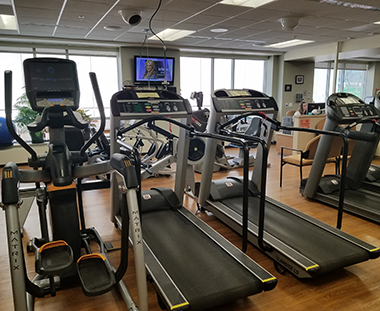
Cardiac & Pulmonary Rehab at SSM Health St. Clare Hospital - Baraboo
Cardiac Catheterization & Vascular Lab at SSM Health St. Agnes Hospital - Fond du Lac

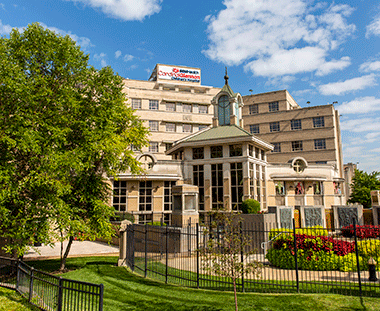
Dorothy and Larry Dallas Heart Center at SSM Health Cardinal Glennon Children's Hospital
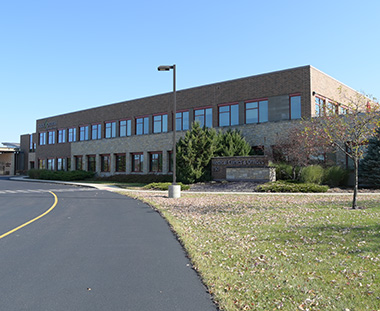
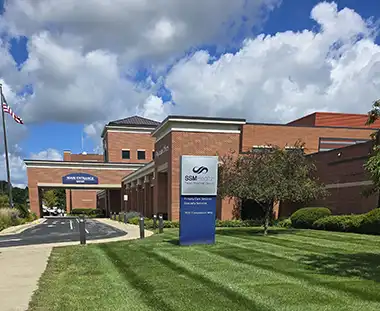
SSM Health Dean Medical Group Specialty Services
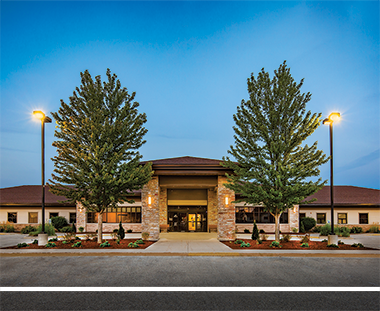
SSM Health Dean Medical Group Specialty Services